by
by Two legends. One stage. And a moment that could become one of the most emotional reunions in rock history.
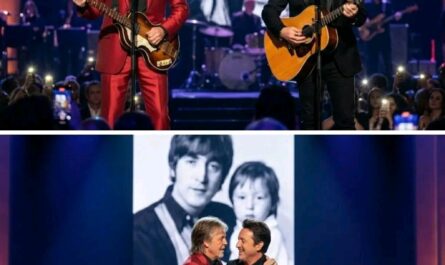
More than six decades after four young musicians from Liverpool changed the sound of modern music forever, Paul McCartney and Ringo Starr are reportedly preparing to share the stage again in 2026. For millions around the world, the possibility feels bigger than a concert announcement. It feels like history gently knocking once more.
When they first rose to fame as members of The Beatles, few could have imagined the cultural earthquake they would trigger. From the frenzy of Beatlemania to the studio experimentation that redefined what popular music could be, their journey reshaped not only rock and roll but global youth culture itself. The songs became soundtracks to revolutions, romances, and personal milestones across generations.
Time, however, has not stood still. The losses of John Lennon in 1980 and George Harrison in 2001 left an absence that could never truly be filled. Yet through decades of solo careers, world tours, and personal evolution, McCartney and Starr have remained connected — not only by shared memories, but by the unshakable bond forged in their youth.
A 2026 reunion would not simply be about revisiting classic hits. It would symbolize endurance. It would represent friendship that survived unimaginable fame, creative differences, and profound loss. The sight of the two remaining Beatles standing side by side would carry a quiet emotional weight — a reminder that while eras pass, certain connections remain untouched.
Audiences would undoubtedly come for the music: the melodies that shaped childhoods, the choruses that still fill stadiums, the harmonies that feel woven into cultural DNA. But what may resonate most deeply is the meaning behind the moment. After everything — the highs, the heartbreak, the decades — they are still here, still playing, still carrying the spirit of something that changed the world.
For longtime fans, it would feel like a living bridge to the 1960s. For younger generations, it would be a rare opportunity to witness history in motion rather than through archival footage. And for McCartney and Starr themselves, it could stand as a celebration not of nostalgia, but of resilience.
If confirmed, this won’t be just another tour date added to a calendar. It will feel like a tribute — to legacy, to brotherhood, and to songs that refuse to fade. A reminder that while time moves forward, music has a way of keeping certain moments alive forever.
Should the lights dim and the first familiar notes ring out, it won’t simply be two icons on a stage. It will be the echo of a story that began in Liverpool more than sixty years ago — and somehow, still isn’t finished.