by
by Three Rock Icons, One Unforgettable Night: Paul McCartney, Dave Grohl and Bruce Springsteen Turn a Marathon Set Into a Living Chapter of Rock History
It began as a celebration of one man’s unmatched catalog — but by the end of the night, it felt like a summit meeting of rock royalty.
When Paul McCartney stepped onto the stage, the atmosphere already carried the electricity of history. His marathon set moved effortlessly through decades: early Beatles harmonies that changed pop forever, psychedelic experiments that redefined studio ambition, and soaring Wings anthems that proved his genius didn’t end in 1970. Thousands sang along, not just to songs, but to memories woven into their own lives.
McCartney, ever the master showman, balanced intimacy with spectacle. One moment he was alone with an acoustic guitar, delivering a tender ballad that hushed the stadium into reverent silence. The next, he was leading a thunderous, arena-shaking chorus that reminded everyone why his music still fills the largest venues on earth.
But then the night shifted.
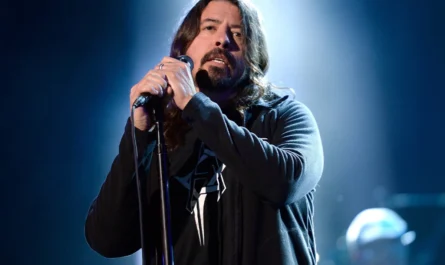
Without warning, Dave Grohl stormed the stage — guitar strapped high, grin wide, energy explosive. The dynamic instantly changed. Where McCartney brought melodic precision and classic craftsmanship, Grohl injected raw, garage-born power. Their chemistry was immediate and infectious. It wasn’t just collaboration; it was communion. Grohl, who grew up worshiping The Beatles, looked every bit the fan living his childhood dream — yet stood confidently as a peer, not just a student.
As the crowd roared, another legend emerged.
Bruce Springsteen walked out with his unmistakable blend of grit and warmth, his presence commanding yet generous. If Grohl brought fire, Springsteen brought heartland soul. His voice — weathered, passionate, unmistakably human — intertwined with McCartney’s melodic clarity in a way that felt symbolic: two storytellers from different corners of rock’s evolution finding common ground under the same lights.
The setlist expanded, the guitars grew louder, and the smiles between them said more than words ever could. There was laughter between verses, nods of respect, spontaneous harmonies that felt less rehearsed and more inevitable.
Then came the finale: “The End.”
Originally recorded by The Beatles for Abbey Road, the song has long carried a poetic sense of closure. But on this night, it became something else entirely — a bridge across generations. As the three legends traded lines and locked into the song’s iconic final refrain, the moment felt suspended in time.
“And in the end, the love you take is equal to the love you make.”
The lyric landed with new meaning. McCartney, the architect of so much of modern rock’s foundation, stood shoulder to shoulder with artists who built their own empires inspired in part by his work. It wasn’t about farewell. It wasn’t about nostalgia. It was about continuity.
The amplifiers faded, but the emotion lingered.
Thousands left knowing they hadn’t simply attended a concert. They had witnessed rock history in motion — a rare convergence where past, present, and future shared one stage. It was mentorship without speeches, legacy without ceremony, and gratitude expressed not through words but through chords.
In an era often obsessed with what’s next, this night proved something powerful: rock and roll isn’t just surviving — it’s being carried forward, lovingly and loudly, by those who understand exactly what it means.
And for everyone lucky enough to be there, it will remain more than a show. It will live on as a living chapter in the ongoing story of rock itself.